
The Science of the Future
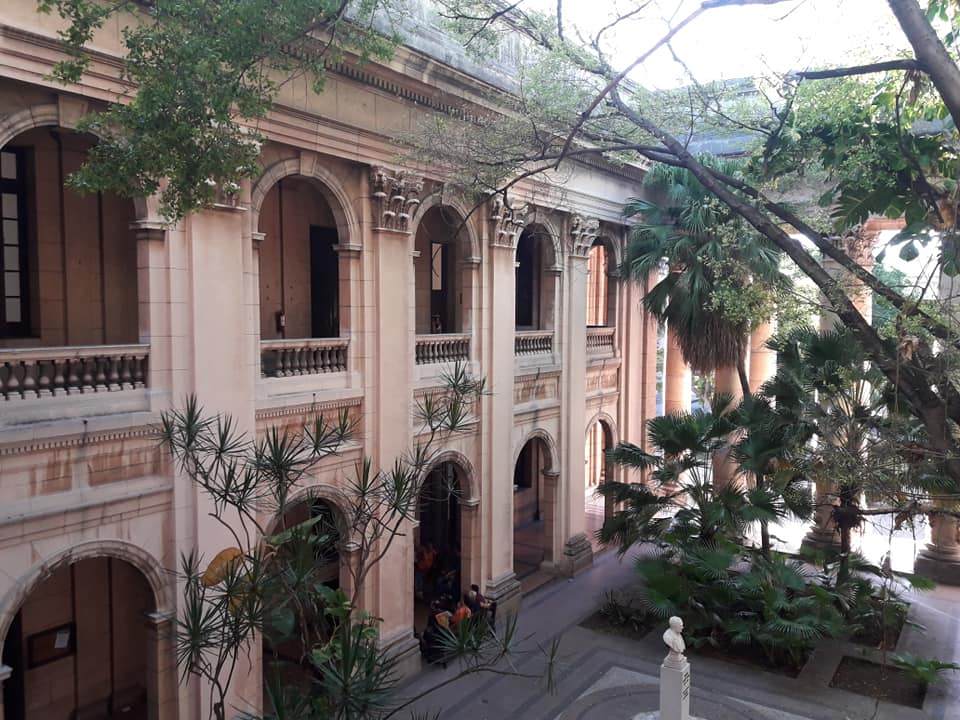
I arrived at the University of Havana in September 1984 convinced I was about to study the science of the future… and equally convinced, within weeks, that it wasn’t meant for me.
It all had started quite promising, though.
“Numbers are the same in any country or ideology,” my piano teacher, Nenita Carbonell, liked to say.
Others echoed the same idea:
“Computing is the science of the future.”
“Go for it, mija… you have to stay current.”
It felt like the right path for the quiet girl I used to be. The only problem was (let me say this quietly) that I didn’t like mathematics. Basic arithmetic—two plus two equals four—I could manage. But when I came face to face with so-called imaginary numbers, dreadful algebra, and the chaos of geometry, my mind went blank.
Ducks Everywhere
I remember a calculus professor named Samuel. Oh, how I came to hate that man. And then there was the algebra prof, nicknamed Birthday Face because he always wore a smug little grin. Both of them handed out failing grades like candy.
At the time, Cuba used a grading system borrowed from the Soviet Union: five was the highest grade; four meant good; three was a barely acceptable pass; and two meant fail. Luckily, there were no ones; otherwise they would have thrown those at my head too.
Back then we called the number two a duck.
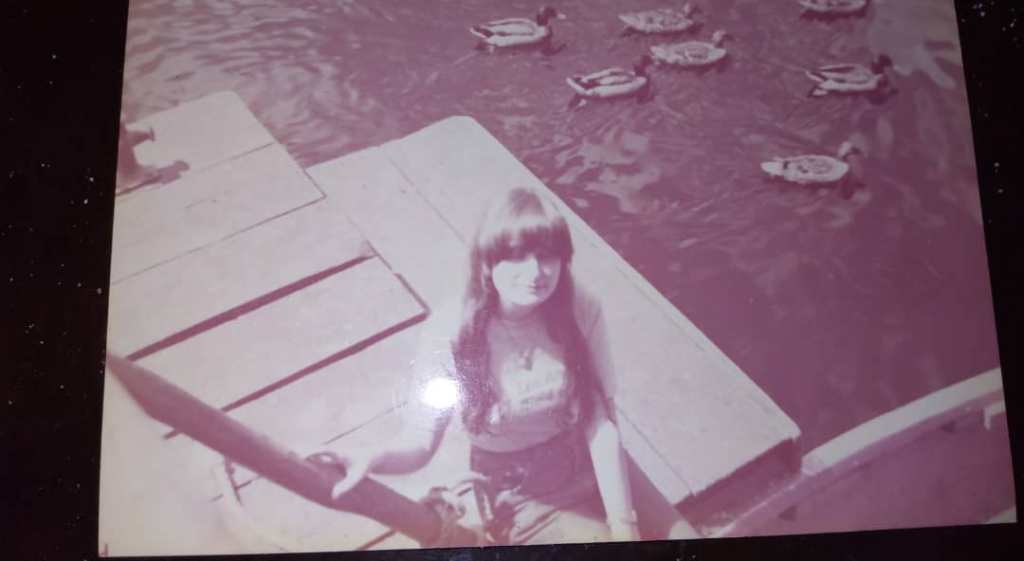
December arrived , and with it the end of the first semester. I asked a friend to check the final calculus grades and call me with mine. (Grades were posted on a sheet of paper taped to the classroom door, meaning everyone could see everyone else’s results.)
My friend called and broke the news:
“Tere, ducks for both of us.”
I failed algebra too, and scraped by in geometry thanks to the guy sitting next to me, who whispered whatever answers could safely be whispered.

The Pony in the Pile
In January 1985 I requested a “medical leave.” I told a psychologist at the Van Troy Polyclinic that I felt nervous and couldn’t sleep, which, to be fair, was true. She issued a six-month medical certificate.
I used that time to study hard for the admission test to the English degree program, which I started in September 1985 and finished in 1990 with honors.
Now, something good came out of failing those math classes. Back in high school, I had been such a total bookworm that I barely even talked to my classmates. Of course… I spent the whole day with my nose buried in a book! But the computer science disaster helped me to make friends, especially with the non-nerds, who turned out to be way more fun than the little geeks like I used to be.
Besides, since I had learned English, I didn’t experience the much-talked-about culture shock when I arrived in the United States. And I have been able to write (and publish) my novels in two languages. So when something starts badly… sometimes it ends well, right?
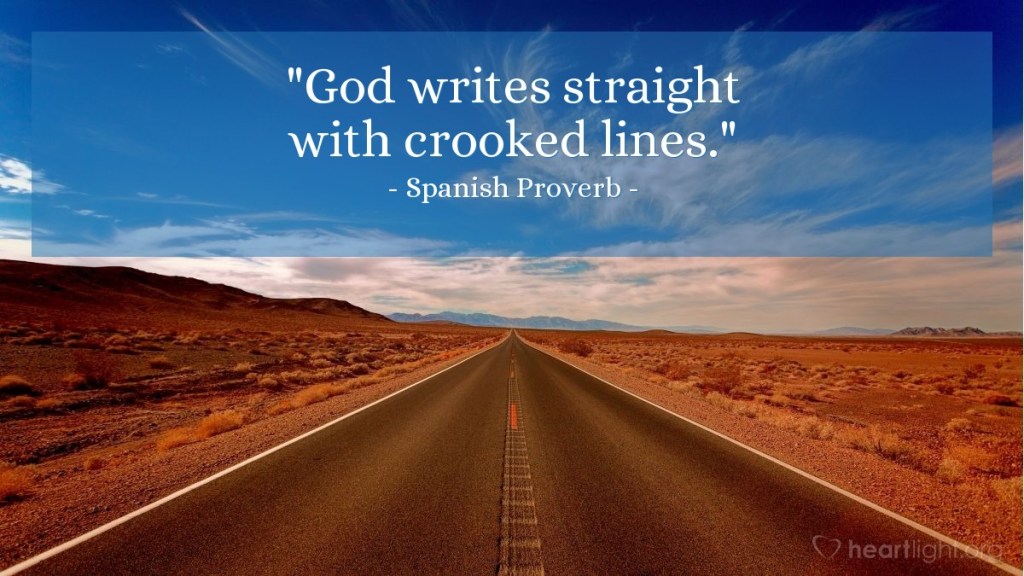
God Writes Straight with Crooked Lines
(Spanish saying: Dios escribe derecho con renglones torcidos)
Going back to Samuel and Birthday Face, those guys to whom I wished the worst possible fate, they actually did me a favor. If I had passed my first year of computer science (even with poor grades), it would have delayed, or prevented altogether, my starting a career I was suited for.
I would never have been a good mathematician, not even a mediocre one. My brain doesn’t work in variables and numbers, whether real or imaginary. The profs were angels in disguise who blocked my way into a dead-end street because they knew that a much wider road was waiting for me just a few blocks down.
So if something in your life isn’t going well right now, or isn’t turning out the way you hoped, remember that you may be reading, without realizing it, God’s crooked lines through the script of your life.
 Teresa Dovalpage: a Cuban writer's blog